

ENDOMETRIOSIS AND DIET PT.2: FRIENDS AND FOES
ENDOMETRIOSIS AND DIET PT.2: FRIENDS AND FOES Does research support the Chinese medicine approach?
Evidence
As with a huge number of diseases, there has also been extensive research into diet and supplementation in endometriosis. In the following lines we take a look at some of your friends and foes as far as food goes and where modern research and Chinese medicine meet.
FOES
Red meat
A large study involving around 82.000 women in Japan found that women who consume more than two servings of red meat per day had 56% higher risk of an endometriosis diagnosis than those who consumed less than or equal to one per week. No such connection was found for poultry, fish, shellfish, and eggs.
Before banning red meat from your diet, or any food for that matter, a little context is necessary. Several lines of evidence suggest that simply banning red meat from your diet is not enough to produce a significant change. What is usually effective is a change towards more productive dietary habits. Among 90 women with stage-4 endometriosis reducing red meat by 50% and dairy intake by 30% while at the same time increasing fiber intake and supplementing with Omega-3’s resulted in a decrease in pain symptoms and a reduction of inflammation.

It is important to note that the overall data from systematic reviews (an evaluation of a collection of studies on a specific topic) regarding red meat and the risk of endometriosis is not 100% conclusive. Some studies even find it protective.
A good way to regard these findings is to look at red meat in the context of an overall dietary pattern. Many observational studies show that people who eat re (especially processed) meat in excess also tend to have less healthy overall diets and lifestyles. Usually, increased red meat consumption is connected with limited intake of foods that are considered healthy, such as fruits, vegetables and increased intake of processed foods and sugars.
Another way is to consider it in regards to its cooking methods, specifically methods high in trans-unsaturated fats as we shall see below.
Trans-unsaturated fats
Trans-unsaturated fats are a type of fat that can be found in some foods. They have long been associated with various conditions such as high cholesterol, cardiovascular diseases, etc. (ref) They are involved in endometriosis due to their ability to increase inflammation.
The most important finding about trans-fats comes from a study looking at 70.000 women in the United states. It found that women with the highest consumption of these types of fats were 48% more likely to be diagnosed with endometriosis.
Where do you find trans-fats?
The foods that are rich in trans-fats are most, although not all, of the ones most of us consider unhealthy. These are:
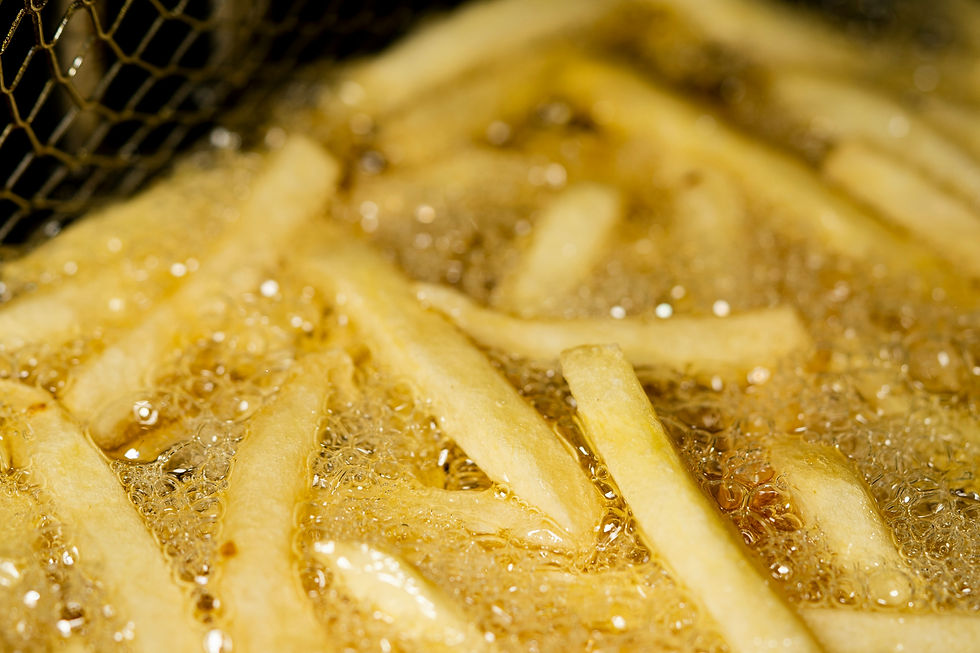
Fried foods (fried potatoes, fried chicken). In general, deep frying any food will cause an increase in this type of fats. Avoid this cooking method in general if you want to limit trans-fats.
Packaged baked products (cookies, pies, cakes). Trans-fats are used in these products because they increase their shelf-life, improve their texture, and are cost-effective.
Frozen foods, such as pizzas, pre-made meals, potato products, and other snacks.
Some margarine and spreads. To know which ones to avoid, look for margarine and spreads that are labeled "trans-fat-free" or "made with non-hydrogenated oils."
YOUR FRIENDS: OMEGA 3s and THE MEDITERANNEAN DIET
OMEGA 3s & ANTIOXIDANTS
A number of systematic reviews consistently find that taking omega 3 supplements results in reduction in pain intensity and duration.
Additionally, these reviews find evidence that supplementation with antioxidants, such as vitamin C and E, produces a positive effect. Interestingly, one study found that supplementing both B12 and fish oil enhanced the therapeutic effect.
Mediterranean diet
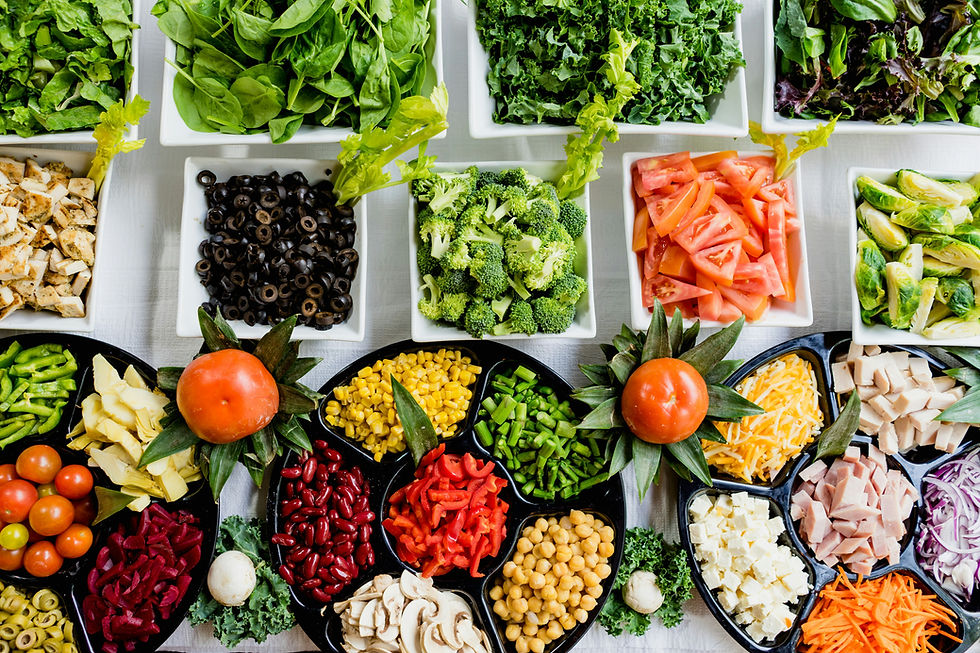
The Mediterranean diet is usually favored in the context of chronic inflammatory diseases, and this is because it focuses on foods that have anti-inflammatory actions.
The cornerstones of this type of diet are:
High Intake of fresh vegetables, fruit, white meat (poultry), fish rich in fat, whole-meal products, foods rich in magnesium, and cold-pressed oils (like olive oil).
Avoidance: Red meat, sugary drinks, sweets, and animal fats.
Research wise, only one study among 68 women who were suffering from postoperative endometriosis-associated pain, following this diet for 5 months found that it was able to decrease pain during menstruation, pain during intercourse, and pain during bowel movements. At the same time, all participants noted an improved in their sense of wellbeing.
I simply mention it here because it has been researched for its benefits in a large number of diseases such as cardiovascular diseases, metabolic diseases, neurodegenerative diseases, obesity, and cancer.
If you are wondering how to implement this diet while living in a non-Mediterranean country then read this useful article here.
CONCLUSION
Both Chinese medicine and modern research converge at their dietary approach for endometriosis. (for more info on Chinese medicine see pt.1). They both agree that heavy, rich foods that promote inflammatory processes should be avoided, each one for its own reasons.
Although this article does not cover everything, I hope it gives you enough information to take a more positive and informed turn in your dietary pattern so you can get closer to a pain-free life.
If you are struggling with endometriosis related symptoms then acupuncture and Chinese medicine can offer you substantial help in improving your quality of life.
Feel free to get in touch at +31 622 165 602 or info@qi-clinic.nl with your requests and you will hear back asap.
Stay healthy.


Comments